


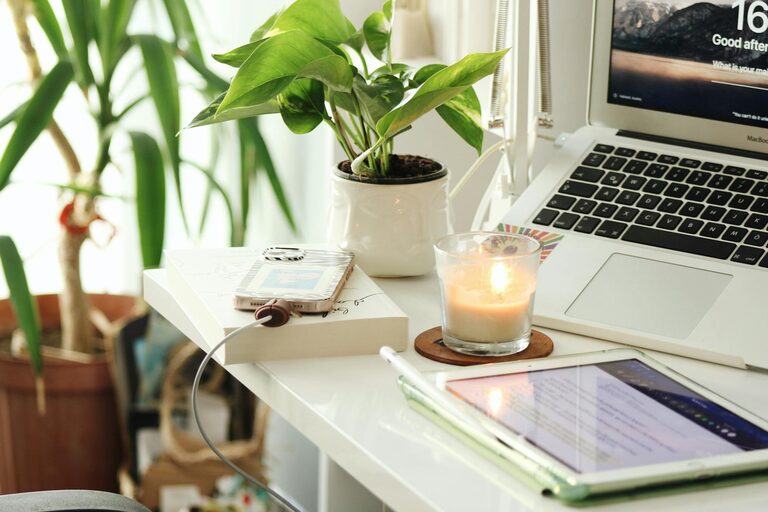
Creating a home workspace that feels both relaxing and productive is essential for anyone who works remotely or spends significant time at home. A comfortable and well-organized environment can boost your focus, reduce stress, and improve your overall well-being. Here are some practical tips to help you design a calming home workspace that encourages productivity and supports your mental and physical health.
Choose the Right Location
Finding the perfect spot for your workspace is the first step. Ideally, select a quiet area with minimal distractions, good natural light, and enough space for your equipment.
– Avoid high-traffic zones: Choose a corner or a separate room where household activities won’t interrupt your concentration.
– Consider natural light: Position your desk near a window to benefit from daylight, which can improve mood and energy.
– Ensure privacy: Use room dividers or curtains if needed to create a defined workspace that feels separate from the rest of your home.
Invest in Ergonomic Furniture
Comfort is key when you spend hours at your desk. Ergonomic furniture can prevent aches and boost your productivity by allowing you to work efficiently.
– Ergonomic chair: Choose a chair with lumbar support and adjustable height to maintain a healthy posture.
– Desk height: Make sure your desk is at a comfortable height where your elbows rest at about 90 degrees.
– Footrest and monitor stand: These accessories help align your body and reduce strain.
Keep Your Space Organized
A clutter-free workspace encourages a calm mind and enables better focus. Use smart storage solutions to keep your supplies neat and within reach.
– Declutter regularly: Remove unnecessary items from your desk surface daily to keep the area clean.
– Use organizers: Drawer organizers, shelves, and file holders help store papers and office supplies efficiently.
– Cable management: Use clips or sleeves to keep cords hidden and prevent tangling.
Personalize with Calming Elements
Adding personal touches can make your workspace more inviting without becoming distracting.
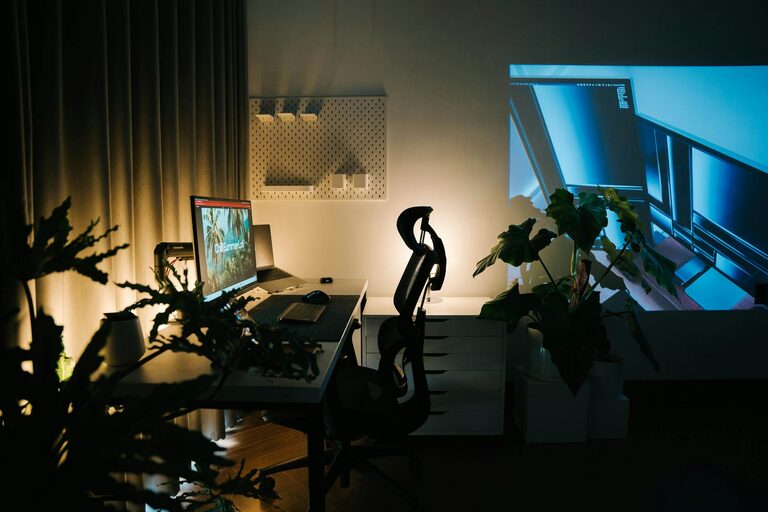
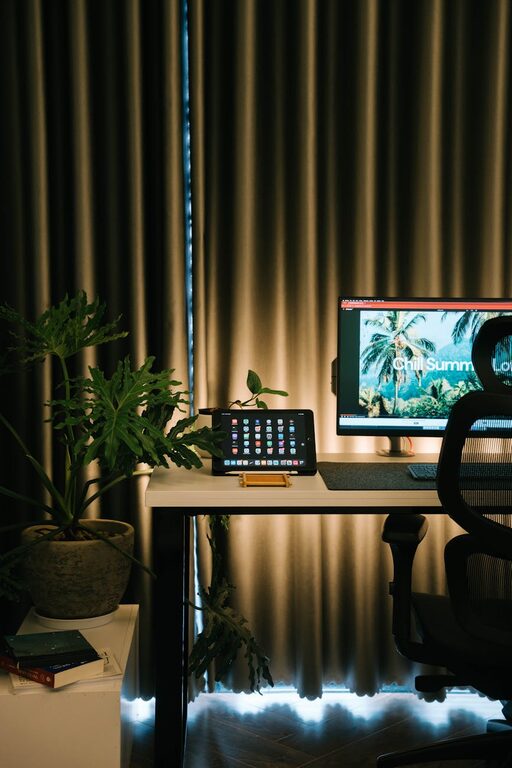
– Plants: Small indoor plants improve air quality and create a peaceful atmosphere.
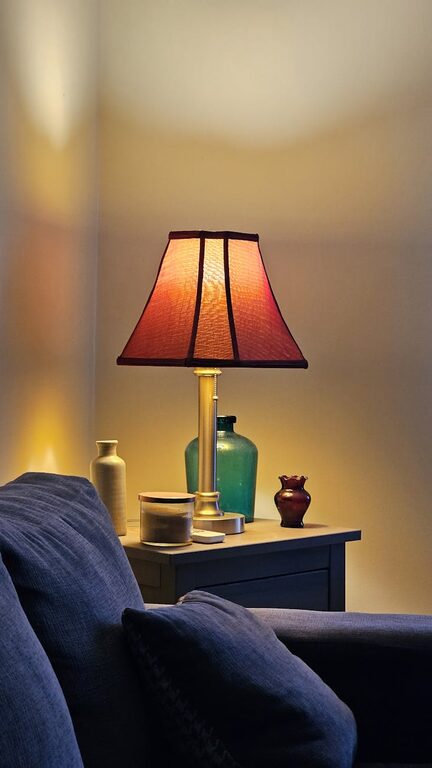
– Soft lighting: Use lamps or adjustable lights to create gentle illumination, avoiding harsh overhead lights.
– Artwork or photos: Choose images that inspire and relax you, such as nature scenes or family photos.
Incorporate Relaxation Breaks
Taking regular breaks is vital for maintaining energy and reducing stress during work hours.
– Use a timer: Follow the Pomodoro Technique or similar methods to schedule focused work sessions followed by short breaks.
– Stretch or move: Incorporate light exercises or stretches into your breaks to relieve tension.
– Create a break area: If space allows, set up a cozy reading nook or meditation corner nearby to mentally shift away from work when needed.
Optimize Technology for Comfort and Efficiency
Technology is a big part of working at home, so setting it up thoughtfully can improve your experience.
– Invest in quality devices: A good keyboard, mouse, and monitor reduce physical strain and help you work more comfortably.
– Manage screen time: Use blue light filters or glasses to protect your eyes during extended computer use.
– Reliable internet: Ensure fast and stable internet connectivity to minimize frustration and interruptions.
Establish a Routine and Boundaries
Creating routines and clear boundaries between work and relaxation enhances your well-being and productivity.
– Set working hours: Define when your workday starts and ends to maintain balance.
– Create a startup and shutdown ritual: Simple routines like organizing your desk in the morning and closing your laptop at the end help signal transitions.
– Communicate boundaries: Let household members know your schedule to reduce interruptions.
Maintain Air Quality and Temperature
A comfortable climate and fresh air are often overlooked but critical factors in a relaxing workspace.
– Ventilate regularly: Open windows when possible to circulate fresh air.
– Use air purifiers or humidifiers: These devices can improve air quality for better focus and health.
– Adjust temperature: Ensure your workspace is neither too hot nor too cold by using fans, heaters, or adjusting your thermostat.
Final Thoughts
Creating a relaxing home workspace is about balancing comfort, organization, and personal touches to suit your needs. Taking time to design an area that supports both your productivity and well-being will make working from home more enjoyable and sustainable. Remember, small changes like adding a plant or adjusting your lighting can have a big impact on how you feel and perform throughout the day.
By incorporating these tips, you can transform your home workspace into a sanctuary that helps you focus, reduces stress, and nurtures your overall health. Happy workspace designing!