



Creating a cozy and functional home workspace is essential for anyone who works from home or spends significant time on personal projects. A well-designed workspace can not only boost productivity but also improve your overall comfort and mood throughout the day. Whether you have a dedicated room or just a small corner, these tips will help you create an inviting and efficient setup tailored to your needs.
Choosing the Right Location
Find a Quiet Spot
Select a part of your home that experiences minimal distractions and noise. A quiet area helps you focus better and reduces interruptions. If you have a spare room, that’s usually ideal. If not, a corner in your bedroom or living area can work well too.
Consider Natural Light
Natural light can positively impact your mood and energy levels. Try to place your desk near a window to take advantage of sunlight. If natural light isn’t possible, consider investing in good quality daylight-simulating bulbs to keep your workspace bright.
Selecting Comfortable and Functional Furniture
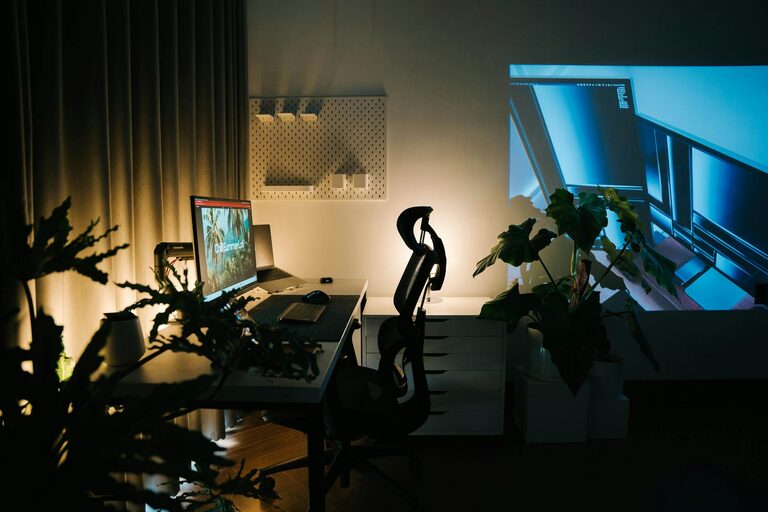
Invest in an Ergonomic Chair
Since you might spend hours sitting, a supportive chair that promotes good posture is crucial. Look for adjustable features like seat height, lumbar support, and armrests to reduce strain.
Choose the Right Desk
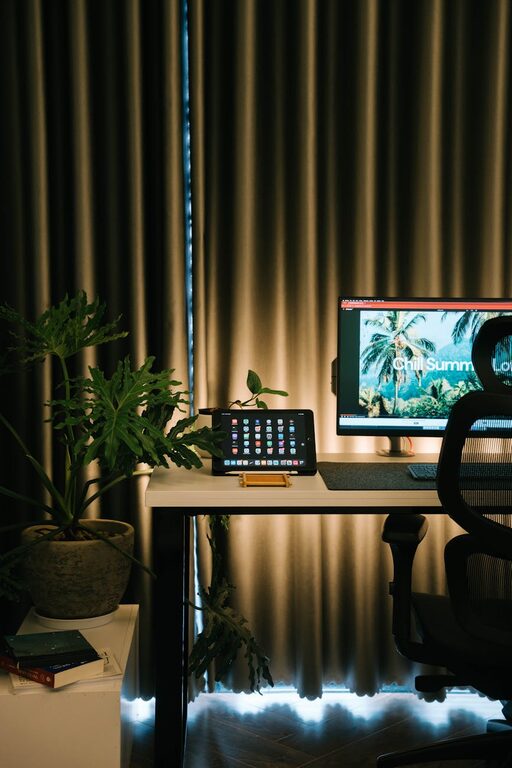
Pick a desk that fits your available space and work needs. If your tasks involve writing or drawing, a larger desk surface is helpful. For computer work, desks with built-in cable management can keep cords tidy.
Consider Standing Desks
If you prefer to alternate between sitting and standing, a height-adjustable desk or a desk converter can be a great addition to your setup. It promotes movement and reduces fatigue.
Organizing Your Workspace
Declutter Regularly
A clutter-free area helps maintain focus and reduces stress. Keep only the items you frequently use on your desk. Store paperwork, office supplies, and accessories in drawers or organizers to keep surfaces clean.
Use Storage Solutions
Shelves, filing cabinets, and storage boxes can help you organize documents and tools efficiently. Labeling storage containers makes finding items quick and easy.
Keep Essential Tools Within Reach
Arrange your most-used items such as pens, notebooks, or chargers close by to minimize wasted time searching for them.
Adding Personal Touches and Comfort
Incorporate Cozy Elements
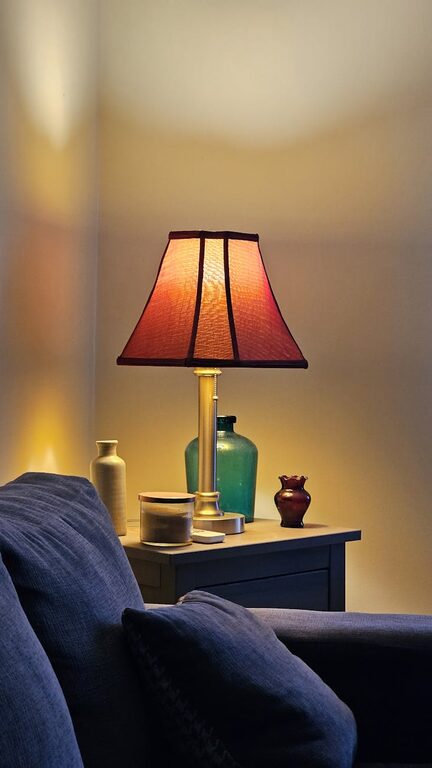
Add soft touches like a plush rug, comfortable cushions, or a cozy throw blanket. These small details make the space inviting and enjoyable.
Add Greenery
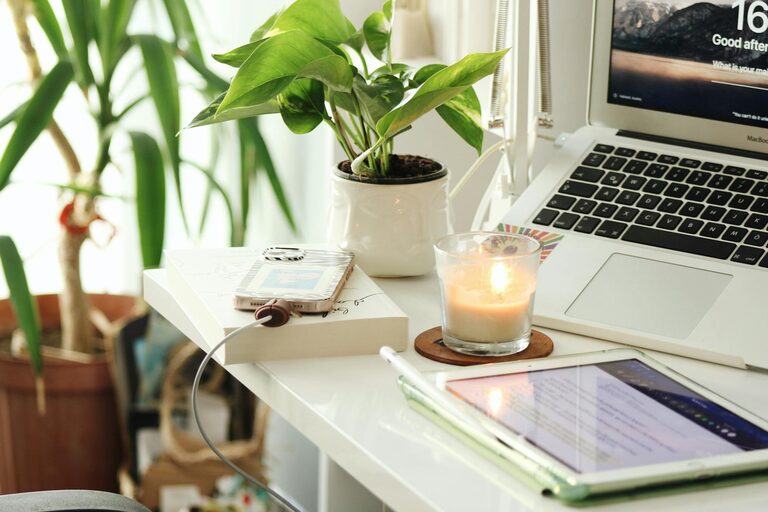
Houseplants improve air quality and add a splash of color. Choose low-maintenance plants like succulents or pothos that thrive indoors.
Personalize Your Space
Display photos, artwork, or inspirational quotes to create a motivating environment. However, avoid overcrowding your workspace with decor to maintain a clean and focused area.
Lighting and Technology
Use Task Lighting
In addition to overhead lighting, consider a quality desk lamp with adjustable brightness. This reduces eye strain, especially during evening work sessions.
Manage Cables and Electronics
Use cable clips or sleeves to organize cords and keep them out of the way. Invest in a reliable power strip with surge protection to safeguard your devices.
Keep Technology Updated
Ensure your computer, printer, and other gadgets are in good working condition. Software updates and routine maintenance improve efficiency and security.
Establishing Boundaries and Routine
Define Work Hours
Set clear start and end times to create a routine and prevent overworking. Inform family or housemates about your schedule to minimize interruptions.
Use a Door or Divider
If possible, use a door or room divider to separate your workspace from the rest of the home. It helps create mental separation between work and personal time.
Take Regular Breaks
Incorporate short breaks to stretch and refresh your mind. A comfortable workspace encourages healthy habits rather than fatigue.
Final Thoughts
Designing a cozy and functional home workspace doesn’t require a big budget or a large room. Focus on comfort, organization, and personalization to make the space your own. With thoughtful planning and a few simple changes, you can create a productive environment that supports your work and well-being every day.