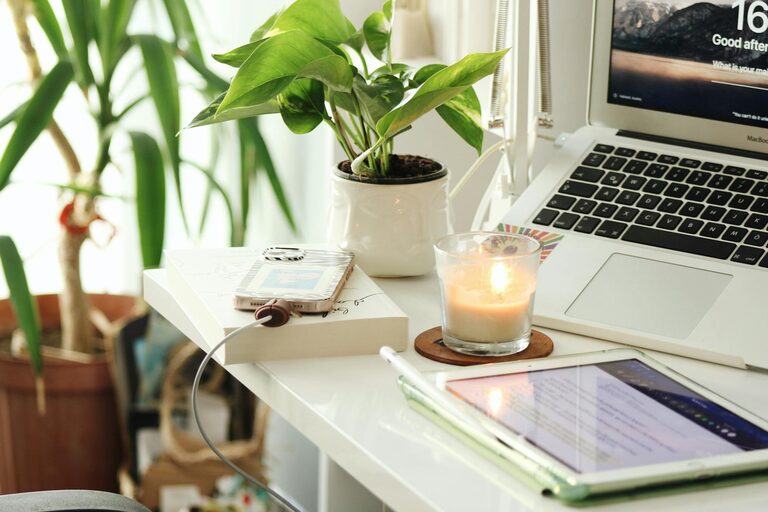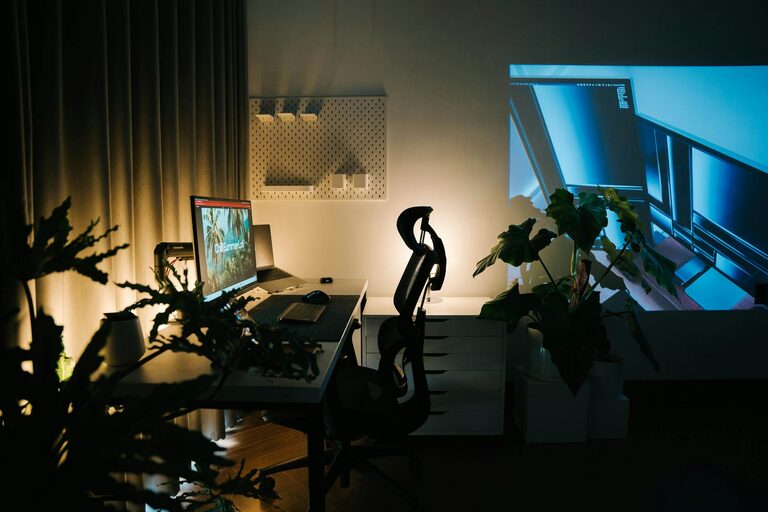




Creating a cozy and productive home workspace is essential for anyone working from home or pursuing creative projects. A well-designed environment not only helps you stay focused but also makes your workday more enjoyable. Whether you have a dedicated room or a small corner, there are simple strategies you can use to improve your home office setup.
Why a Cozy Workspace Matters
Your surroundings can greatly impact your mood and productivity. When your workspace feels inviting and comfortable, you are more likely to stay motivated and accomplish your tasks efficiently. On the other hand, a cluttered or uninspiring area can lead to distractions and burnout.
Benefits of a Comfortable Work Environment
– Increased focus and concentration
– Reduced stress and fatigue
– Enhanced creativity and problem-solving
– Better work-life balance
Choosing the Right Location
Finding the ideal spot for your workspace is the first step. Consider areas that offer enough natural light and minimal noise disruptions.
Tips for Selecting a Workspace Area
– Look for a quiet corner or spare room
– Avoid high-traffic zones in your home
– Position your desk near a window for natural light
– Ensure easy access to power outlets
Furnishing Your Workspace
Comfortable and functional furniture is key to creating a space where you can work for hours without discomfort.
Essential Furniture Elements
– Desk: Choose a size that fits your needs without overcrowding the room. Adjustable height desks can offer flexibility.
– Chair: Invest in an ergonomic chair that supports your back and encourages good posture.
– Storage: Use shelves, drawers, or cabinets to keep supplies organized and within reach.
Organizing for Efficiency
A clutter-free workspace helps keep your mind clear and reduces distractions.
Organization Strategies
– Use trays or organizers for pens, papers, and gadgets
– Keep cables tidy with clips or cable management sleeves
– Maintain a regular cleaning schedule to prevent buildup
– Personalize with minimal decor to keep the space inviting but not overwhelming
Lighting Matters
Good lighting can reduce eye strain and improve your mood.
Lighting Tips
– Maximize natural light during the day by keeping windows unobstructed
– Use a desk lamp with adjustable brightness for focused tasks
– Incorporate soft ambient lighting for a cozy atmosphere during evening work
Adding Personal Touches
While functionality is important, your workspace should also reflect your personality to make it feel welcoming.
Ideas for Personalization
– Add plants to bring life and freshness
– Hang artwork or motivational quotes that inspire you
– Use cushions or throws for added comfort
– Choose colors and textures that soothe and energize
Managing Noise and Distractions
Controlling sound and distractions can enhance your focus, especially if your home is busy.
Noise Reduction Tips
– Use noise-cancelling headphones or white noise machines
– Add rugs or curtains to absorb sound
– Set clear boundaries with family or housemates during work hours
Establishing a Routine
A dedicated workspace supports a disciplined routine, helping you separate work from leisure.
Routine Recommendations
– Set specific working hours
– Take regular breaks to stretch and rest your eyes
– Use timers or apps to maintain focus periods and breaks
Technology Setup
Ensure your tech tools are reliable and organized to avoid interruptions.
Technology Essentials
– Stable internet connection
– Quality webcam and microphone for virtual meetings
– Backup storage for important files
– Charging stations that keep devices powered and cords arranged
Conclusion
Creating a cozy and productive home workspace combines comfort, organization, and personal style. By thoughtfully selecting your location, furnishing your area well, and managing light and sound, you create an environment where you can thrive. Remember, your workspace should evolve with your needs, so feel free to make changes as you discover what helps you work best.
With these tips, you’re well on your way to building a home office that supports your productivity and well-being every day.